The Gut Health Revolution - Why America’s Obsession with the Microbiome
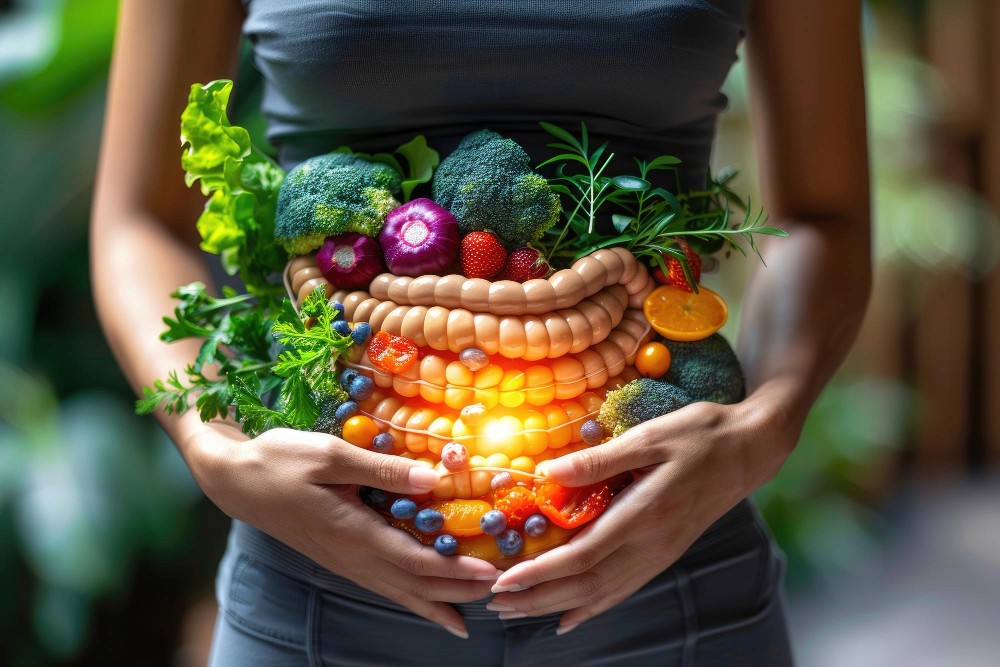
In the last decade, one term has dominated health and nutrition discussions across America and the developed world: Gut Health. Once regarded simply as a digestive tube, modern science has unequivocally crowned the gastrointestinal tract as our Second Brain. From influencing mental wellness and immune defense to being implicated in the origins of chronic disease, the Gut Microbiome is now recognized as a fundamental pillar of overall health.
This profound shift in understanding has fueled a skyrocketing demand for Probiotics and Prebiotics, sparking a full-blown revolution in how Americans approach wellness. Why has this trend achieved such colossal popularity in the US, and how is this microscopic world inside us impacting our macroscopic lives? Let's delve into the genesis, science, and future of this transformative gut revolution.
Why the Gut Deserves Center Stage
The human body is not merely a single organism, but a complex ecosystem housing trillions upon trillions of microorganisms. The vast majority of these including bacteria, viruses, and fungi—reside in the lower digestive tract, collectively known as the Gut Microbiome or gut flora.
The Rediscovery of the "Second Brain"
The surge in "Gut Health" awareness stems from a crucial scientific realization: the gut does far more than just break down food. It hosts a massive, intricate network of neurons known as the Enteric Nervous System (ENS). This ENS communicates directly and constantly with the central nervous system via the Vagus nerve, forming the bidirectional communication highway called the Gut-Brain Axis (GBA). This biological superhighway governs not just digestion, but also mood, cognition, and stress responses.
The Perfect Storm - Why the Trend Exploded in the US
The American fascination with gut health is driven by a confluence of scientific discovery, lifestyle pressures, and savvy marketing:
The Research Boom: American universities and medical centers have been at the forefront of microbiome research, publishing thousands of landmark studies that have elevated public awareness.
The Modern Lifestyle Toll: The typical modern American lifestyle—characterized by high stress, excessive consumption of highly processed foods, and the overuse of antibiotics—is detrimental to microbial diversity. This has led to a population seeking solutions for persistent digestive and systemic issues.
The Wellness Industry Shift: The proactive push from the probiotic, fermented food, and supplement industries has made gut-focused products mainstream, turning health issues into readily marketable solutions.
The Gut Microbiome - An Ecosystem of Complexity
The gut microbiome is now functionally viewed by many scientists as a vital, extra organ. Maintaining its balance, a state known as Eubiosis, is critical for overall vitality. Conversely, an imbalance, where harmful bacteria dominate or microbial diversity is low, is termed Dysbiosis.
Essential Functions of Your Microbial Crew
These microscopic inhabitants perform tasks that are essential for human life.
Digestive Synergy: They break down complex dietary fibers and carbohydrates that human enzymes cannot process, unlocking vital energy and nutrients.
Nutrient Synthesis: The microbiome produces critical nutrients, including essential B-vitamins and Vitamin K, which play roles in metabolism and blood clotting.
Immune System Training: A staggering 70-80% of the body’s immune cells reside in the gut. A healthy microbiome acts as a gatekeeper, training the immune system to recognize threats and maintaining a robust defense against pathogens.
Hormone & Neurotransmitter Production: Crucially, roughly 90% of the body’s serotonin the key neurotransmitter regulating mood, sleep, and appetite is produced in the gut.
The Consequences of Dysbiosis
When the microbial community is thrown into disarray (Dysbiosis), the systemic effects can be wide-ranging:
Digestive Distress: Common outcomes include irritable bowel syndrome (IBS), chronic gas, bloating, and discomfort.
Systemic Issues: It is linked to increased susceptibility to allergies, chronic fatigue, metabolic disorders like obesity, and systemic inflammation.
Mental Health Implications: Disrupted neurotransmitter production and increased inflammation can contribute to mood disorders, including anxiety and depression.
Probiotics and Prebiotics - The Microbiome's Best Friends
To foster a state of Eubiosis, two distinct components are essential, and they are frequently confused by consumers: Probiotics and Prebiotics. They are not the same, but they work in a powerful, synergistic partnership.
Probiotics - The Live Bacteria (The Seeds)
Probiotics are defined as live microorganisms (typically beneficial bacteria and yeasts) that, when administered in adequate amounts, confer a health benefit on the host. These are usually strains from the Lactobacillus or Bifidobacterium genera.
The Role: They directly introduce beneficial microbes to the gut, helping to repopulate the microbial community and restore balance, especially after disruptions like antibiotic use.
The Benefits: They enhance digestion, help prevent infections by crowding out pathogens, and assist in nutrient absorption.
Prebiotics - The Bacterial Food (The Fertilizer)
Prebiotics are non-digestible fibers that act as a specific food source for the beneficial bacteria (the Probiotics) already residing in your colon. Consuming prebiotics is like applying fertilizer, helping the beneficial bacteria grow and multiply rapidly.
The Role: They selectively promote the growth and activity of health-promoting gut microorganisms.
The Benefits: They aid in the absorption of minerals (like calcium), stimulate the production of essential Short-Chain Fatty Acids (SCFAs) such as butyrate which nourish the colon lining, and help maintain optimal intestinal pH.
Integrating Gut Support into the American Diet
The increasing awareness has led American health professionals to routinely advise patients on incorporating adequate sources of Probiotics and Prebiotics into their daily intake.
Probiotic-Rich Fermented Foods
Probiotics are naturally abundant in fermented foods, a category that has seen explosive growth in the US market:
Food Source | Popularity in the US | Key Probiotic Strains |
Yogurt & Kefir | Staple, widely available (look for "Live and Active Cultures") | Lactobacillus and Bifidobacterium |
Sauerkraut & Kimchi | Growing trend, particularly in health-food circles | Lactobacillus plantarum |
Kombucha | Highly trendy, multi-billion dollar beverage industry | Mix of bacteria and yeast (SCOBY) |
Tempeh | Popular plant-based protein source | Rhizopus oligosporus |
Prebiotic-Rich Foods
Prebiotics are naturally found in fiber-dense, plant-based foods, a cornerstone of a healthy American diet.
Top Prebiotic Sources: Onions, garlic, leeks, asparagus, bananas (especially unripe or green bananas, which contain resistant starch), barley, oats, and root vegetables like jicama.
The Power of Fiber: These foods not only add necessary bulk to the diet but provide the vital fuel that sustains a diverse and healthy microbial community.
The Gut-Brain Axis - Mental Health's Hidden Connection
Perhaps the single most compelling reason for the "Gut Health" boom in the US is the groundbreaking research linking the microbiome directly to mental health via the Gut-Brain Axis.
Serotonin, SCFA, and Mood Regulation
Research has confirmed that gut bacteria play a crucial role in synthesizing serotonin and other key neurotransmitters like GABA (a calming agent). Dysbiosis can disrupt this production, leading to imbalances that are strongly correlated with increased symptoms of Anxiety and Depression.
Furthermore, SCFAs produced by the gut microbes especially Butyrate are known to have potent anti-inflammatory effects and can cross the blood-brain barrier, directly influencing brain health and function.
Stress, Permeability, and the "Leaky Gut"
Chronic, high-level stress a common feature of modern American life has been shown to directly reduce the diversity of the gut microbiome and increase intestinal permeability, a condition popularized as "Leaky Gut."
In a healthy gut, the lining is tightly sealed. In Leaky Gut, small gaps allow undigested food particles, toxins, and microbes to "leak" into the bloodstream, triggering systemic inflammation and immune responses. This discovery has propelled the acceptance of gut-based supplementation as a complementary approach to managing stress and mental well-being.
Supplements vs. Food - Navigating the Billion-Dollar Market
The probiotic supplement industry in America is a multi-billion-dollar business, driven by health-conscious consumers seeking quick, high-potency, and targeted solutions.
When Are Supplements Necessary?
While a diet rich in fermented foods is ideal, supplements often serve a necessary, therapeutic purpose:
High-Dose Delivery: Supplements typically contain a much higher concentration of bacteria and a greater diversity of proven strains than food, making them useful for immediate intervention.
Targeted Therapy: For specific conditions like Irritable Bowel Syndrome (IBS), Inflammatory Bowel Disease (IBD) management, or recovering from antibiotic-induced diarrhea, highly targeted strains (e.g., Lactobacillus rhamnosus GG or Bifidobacterium infantis) delivered via supplements are often required to achieve a therapeutic effect that food alone cannot reliably match.
Cautions for the US Consumer
The American Food and Drug Administration (FDA) regulates supplements less stringently than prescription drugs. Therefore, consumers must exercise due diligence:
Strain Specificity: Research the specific bacterial strain (the third name after the genus and species, e.g., DN-173 010) and ensure it is clinically studied for the desired benefit.
Activity and Viability: Check the packaging for the number of Colony Forming Units (CFUs) guaranteed at expiration, not at the time of manufacture. Also, confirm if the product requires refrigeration to maintain viability.
Third-Party Testing: Look for seals from reputable third-party testing organizations (like USP or NSF) to confirm the product contains what the label claims.
Gut Health is a Lifestyle - The Holistic Approach
The core message emerging from the gut health revolution is that Probiotics and Prebiotics are not a panacea; they are part of a holistic lifestyle commitment.
Diet, Diversity, and Ditching Processed Foods
A diverse gut microbiome is the healthiest gut microbiome. US dietitians emphasize:
Plant-Forward Eating: Consume a wide variety of plant-based foods, including fruits, vegetables, whole grains, nuts, and legumes. Each plant feeds a different set of microbes, maximizing diversity.
Sugar and Processed Food Reduction: Sugar and highly processed foods are selectively consumed by detrimental bacteria, allowing them to flourish and contribute to Dysbiosis. Limiting these is a crucial step in healing the gut.
The Non-Dietary Factors
Beyond food, lifestyle choices have profound microbial consequences:
Prioritize Sleep: Chronic sleep deprivation has been shown to rapidly and negatively alter the composition and function of the gut flora.
Consistent Exercise: Studies demonstrate that regular physical activity increases the number and diversity of beneficial gut microbes, producing more anti-inflammatory SCFAs.
Mindfulness and Stress Management: Techniques like yoga, meditation, and deep breathing reduce cortisol levels, helping to protect the integrity of the gut lining and minimize the stress-induced impact on the microbiome.
The Future of Health Lies Within
The meteoric rise of the gut health trend in America is not a fleeting fad it represents a fundamental paradigm shift in human health. Scientists have proven that our body's smallest residents hold the key to solving some of our biggest health challenges.
This burgeoning demand signifies that consumers are increasingly connecting the dots between their diet, lifestyle, and systemic health outcomes. The future of medicine will increasingly integrate microbiome analysis (such as advanced stool testing) into routine diagnostic and personalized treatment protocols.
By prioritizing our trillions of tiny friends, we pave the way for a longer, healthier, and more balanced life. The Gut Health Revolution is leading us toward a new frontier of holistic well-being, confirming that sometimes, the most important journey is the one that happens within.